
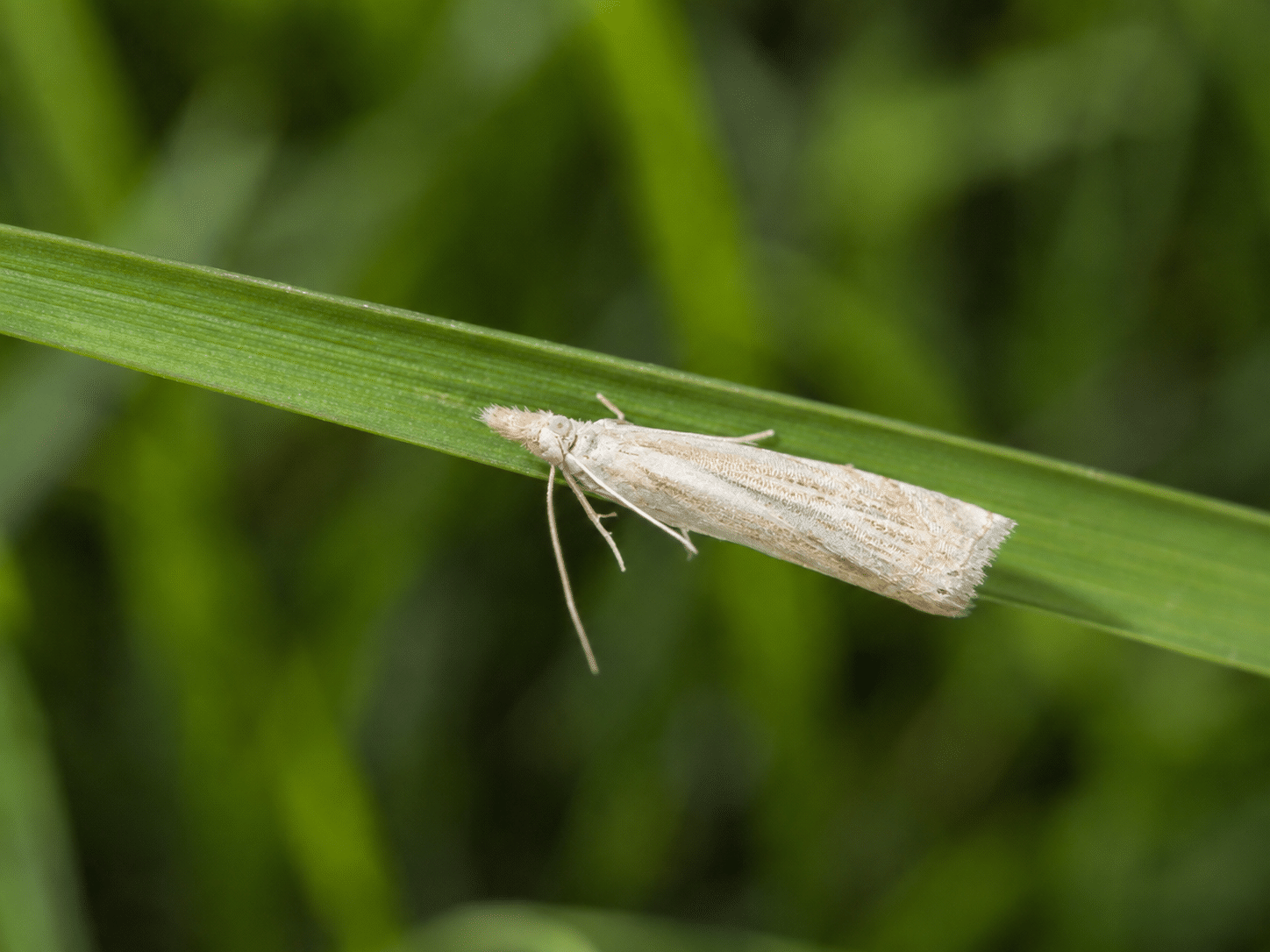
Have you noticed small tan or brown moths flying out of your St. Augustine grass as you walk across the lawn?
It may seem harmless at first, but those little moths can be a clue that sod webworms are active in your lawn.
Sod webworms are a common turf pest in Florida, and their feeding can leave an otherwise healthy lawn looking thin, chewed, brown, or irregular. The sooner the problem is identified, the easier it can be to protect the surrounding turf.
If you’re seeing moths fluttering just above your grass in Fort Myers, Cape Coral, Naples, Lehigh Acres, Labelle, or elsewhere in Southwest Florida, here’s what you should know.
What Are Sod Webworms?
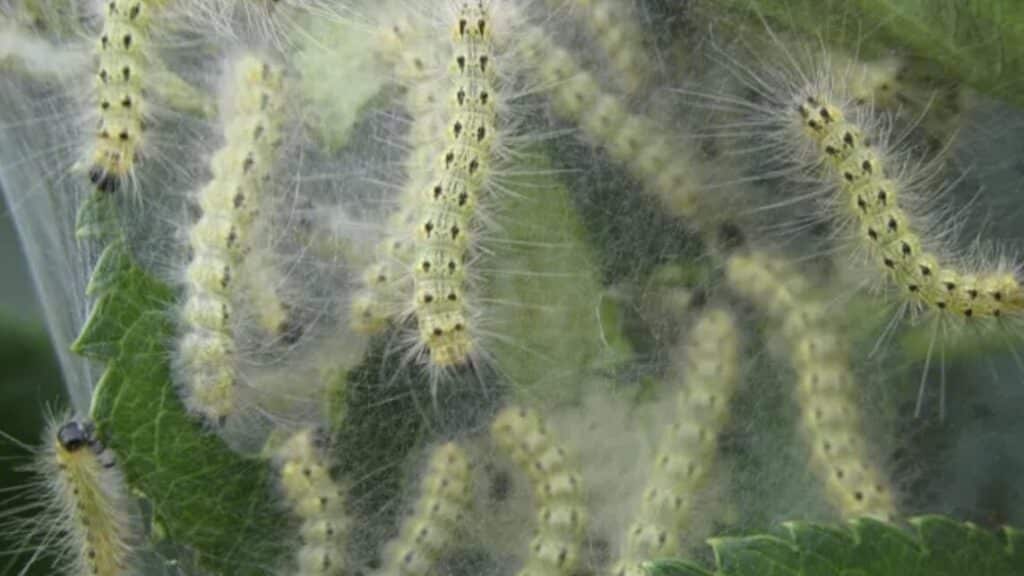
Sod webworms are the caterpillar stage of small lawn moths.
The adult moths themselves generally aren’t the part damaging your grass. The problem begins when the moths lay eggs and the sod webworm larvae begin feeding on turfgrass blades.
Because the caterpillars are often active closer to the soil and thatch layer, homeowners may notice the adult moths before they ever see the larvae themselves.
That’s why one of the first warning signs can simply be: Small moths flying up from the grass when you walk across your yard.
Why Are Sod Webworms Common in Florida?
Florida’s warm climate allows many lawn insects to remain active for long portions of the year.
Tropical sod webworms are particularly associated with warm-season turf and can affect several Florida grasses. That makes Southwest Florida lawns especially important to monitor during periods of warm weather and active turf growth.
Homeowners may suddenly notice moth activity even when the lawn appeared healthy just a short time earlier.
Can Sod Webworms Damage St. Augustine Grass?
Yes. Sod webworms can feed on several types of turfgrass found in Florida, including lawns with St. Augustine grass.
Because St. Augustine is extremely common throughout Southwest Florida, homeowners should pay attention to sudden thinning, chewed grass blades, or unusual moth activity.
However, sod webworms aren’t the only pest that can damage St. Augustine grass.
Chinch bugs, disease, irrigation problems, and nutrient deficiencies can produce similar symptoms, so identifying the actual cause is important before treatment begins.
Why Does My Lawn Look Brown Even Though I’m Watering It?
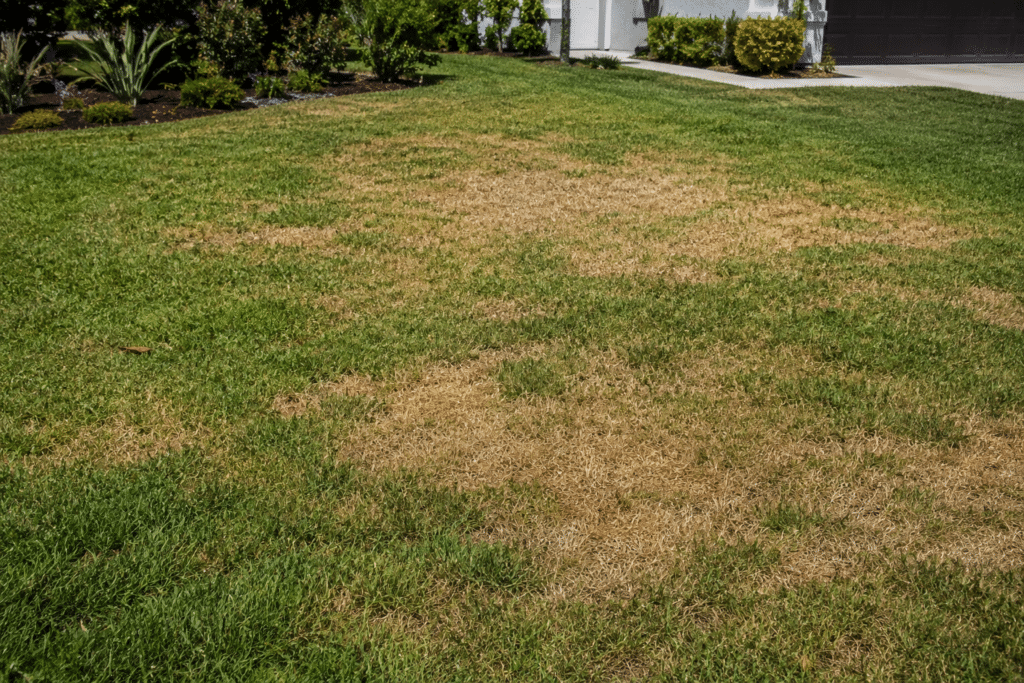
This is one of the most common lawn-care mistakes we see. When homeowners notice brown grass, the natural reaction is often: “It must need more water.”
But additional irrigation won’t solve insect damage.
If sod webworms or another turf pest are feeding on the grass, increasing watering may do little to improve the affected area. The same is true for certain lawn diseases, which may actually become worse when excess moisture is present.
If your lawn continues declining despite normal irrigation, there may be another underlying problem.
How Can I Help Keep My Lawn Healthy?
A healthy lawn is better prepared to tolerate everyday environmental stress.
Helpful lawn-care practices include:
- Maintaining proper irrigation
- Avoiding excessive watering
- Mowing at the appropriate height for your turf
- Keeping mower blades sharp
- Maintaining proper lawn nutrition
- Watching for sudden changes in turf color or thickness
- Addressing insect or disease activity early
Professional lawn programs can also help monitor the property for changing conditions throughout the year. Crews Complete offers monthly and bi-monthly lawn care to maintain your beautiful lawn year-round.
Sod Webworm Treatment in Southwest Florida
If you’re seeing small moths flying out of your lawn, chewed grass blades, thinning areas, or unexplained brown patches, don’t assume the lawn simply needs more water.
Sod webworms may be one possibility, but an onsite evaluation can help determine what’s actually happening.
Crews Complete Pest Solutions provides professional lawn and ornamental care throughout Southwest Florida, including treatment and monitoring for common turf insects, weeds, diseases, and nutritional problems.
Request your free quote online
Expert Pest Control serving all of Southwest Florida.
Fort Myers | Cape Coral | Naples | Lehigh Acres | Estero | Port Charlotte | Punta Gorda | Sanibel | Alva | Ave Maria | Immokalee | Labelle | Bonita Springs