
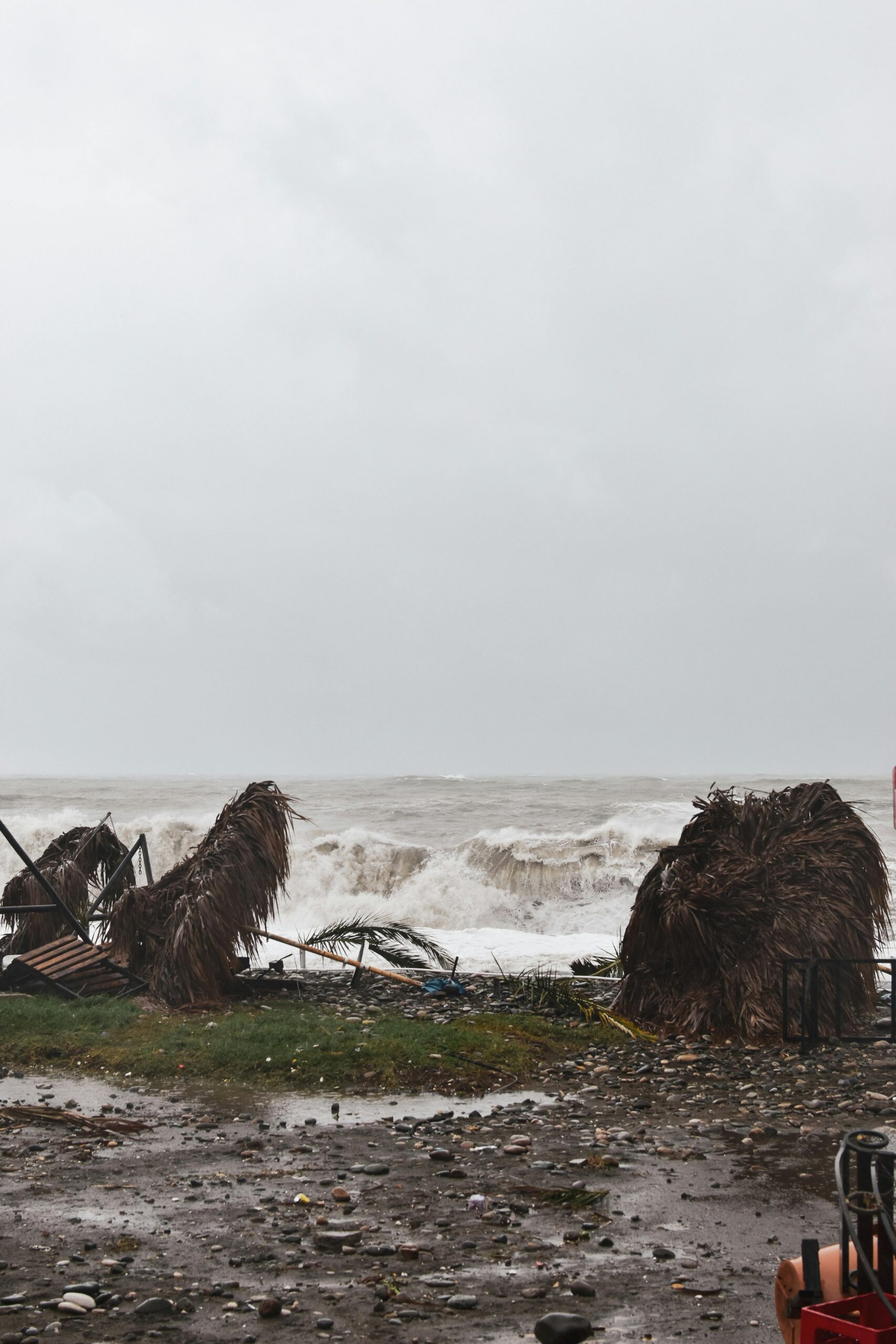
Hurricane season in Southwest Florida officially runs from June through November, bringing heavy rains, high humidity, flooding, and strong winds. While most homeowners focus on storm preparation, many don’t realize that hurricane season can also lead to a significant increase in pest activity.
As pests are displaced by rising water and seek shelter from severe weather, homes often become their next destination. Understanding how hurricane season affects common Southwest Florida pests can help you protect your property before, during, and after a storm.
Why Storms Cause Pest Problems
Many pests live in soil, mulch, trees, and outdoor hiding places around your property. When heavy rainfall floods these areas, insects and rodents are forced to relocate to higher, drier ground.
Unfortunately, your home often provides exactly what they’re looking for:
- Shelter from wind and rain
- Dry nesting locations
- Consistent temperatures
- Access to food and water
Even properties that rarely experience pest issues can see increased activity following major rain events, tropical storms, and hurricanes.
Ants Become More Noticeable
One of the most common post-storm pest complaints involves ants. Fire ants, ghost ants, and other species often abandon flooded nests and move to higher ground.
After heavy rains, homeowners frequently notice:
- Ant trails inside kitchens and bathrooms
- Fire ant mounds appearing throughout the yard
- Increased activity around foundations and entry points
- Ants invading garages and lanais
Fire ants are particularly resilient during flooding and can form floating colonies to survive rising water. Once conditions stabilize, they quickly establish new nests throughout the landscape.
Mosquito Populations Explode
Mosquitoes thrive after hurricanes and tropical storms. While strong winds may temporarily reduce mosquito activity, the standing water left behind creates ideal breeding conditions.
Common breeding sites include:
- Clogged gutters
- Pool cages and screens
- Flower pots
- Children’s toys
- Bird baths
- Tarps and storm debris
- Low spots in the lawn
Because mosquitoes can develop from egg to adult in as little as a week, populations can surge rapidly after periods of heavy rainfall.
Rodents Seek Shelter Indoors
Rats and mice are excellent survivors. During storms and flooding events, they often leave outdoor burrows and seek protection inside structures.
Homeowners may notice:
- Scratching sounds in walls or attics
- Rodent droppings
- Gnaw marks on wires and materials
- Increased activity in garages and storage areas
Even small openings around pipes, utility lines, or garage doors can provide access for rodents seeking refuge from severe weather.
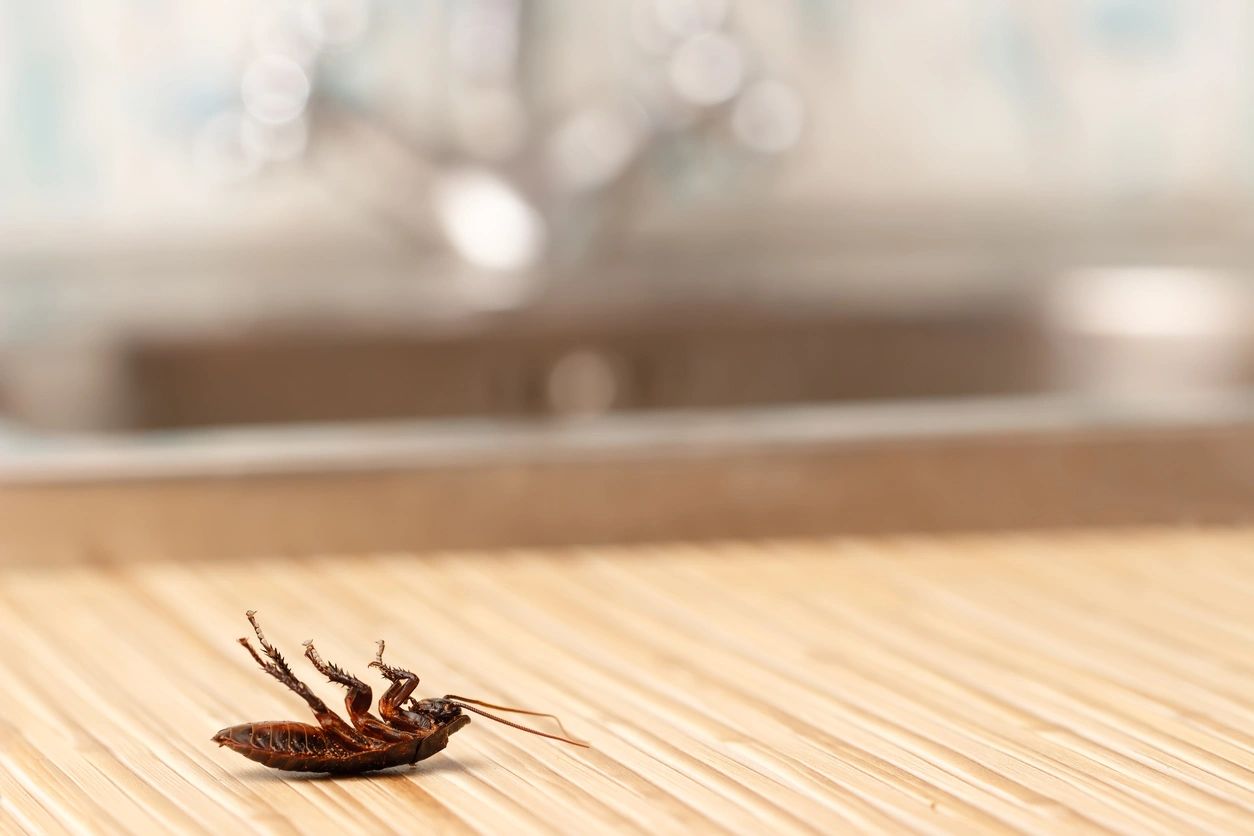
Cockroaches Move Inside
Southwest Florida’s warm climate already supports large cockroach populations. Hurricanes and prolonged rain events can make the problem worse.
Flooded storm drains, saturated soil, and excessive moisture drive roaches toward dry areas. American cockroaches, commonly called palmetto bugs, are especially likely to enter homes after storms.
You may find them in:
- Garages
- Bathrooms
- Laundry rooms
- Kitchens
- Utility closets
Controlling moisture and maintaining regular pest treatments can help reduce infestations during hurricane season.
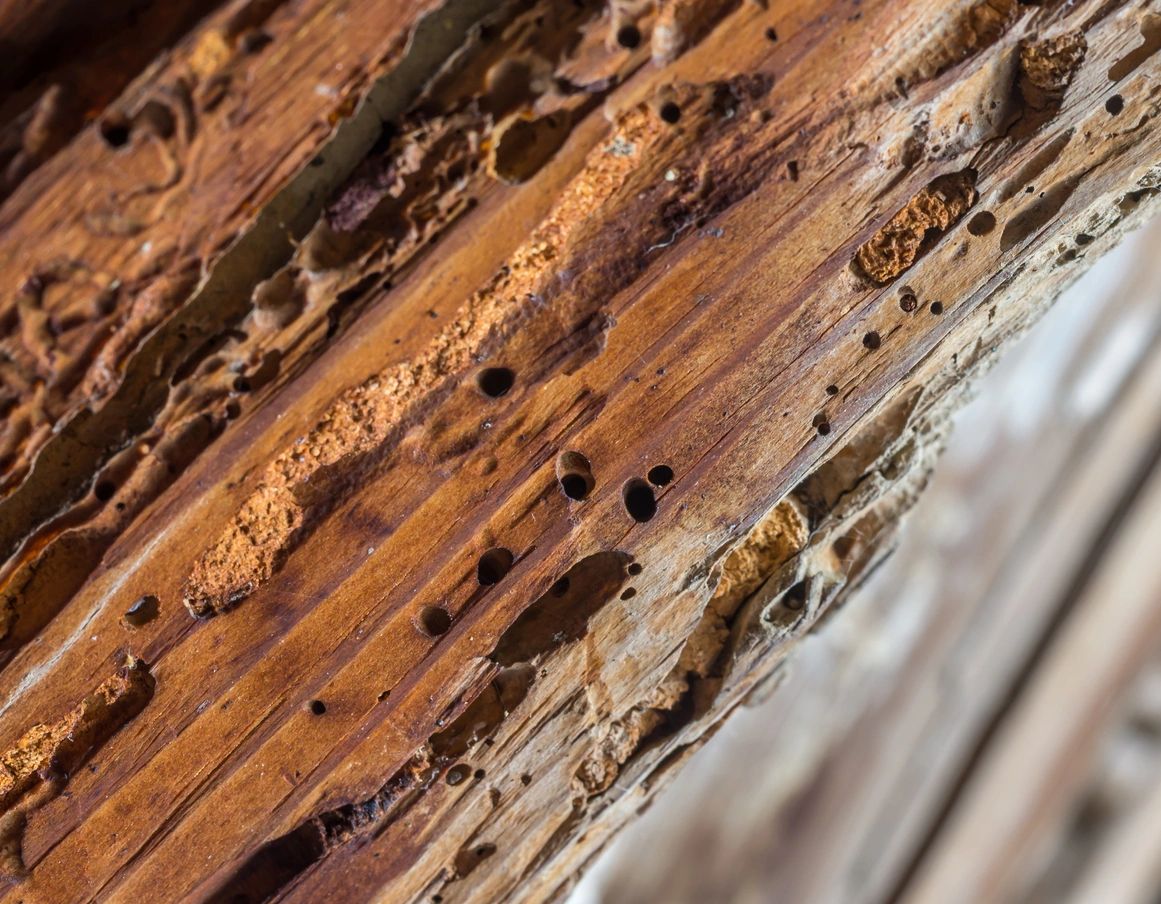
Termite Risks Increase After Storms
While hurricanes don’t directly create termite infestations, they often leave behind conditions that termites love.
After a storm, homeowners may experience:
- Water-damaged wood
- Leaking roofs
- Moisture accumulation around foundations
- Fallen trees and wood debris
Subterranean termites are attracted to moist wood and soil conditions, making post-storm inspections especially important.
Pest Prevention Tips Before Hurricane Season
Preparing your home before storm season can reduce the likelihood of pest problems later.
Consider these preventative measures:
1. Remove Standing Water
Regularly inspect your property for areas where water collects and eliminate potential mosquito breeding sites.
2. Trim Landscaping
Keep trees, shrubs, and vegetation away from your home’s exterior to reduce pest access points.
3. Seal Entry Points
Inspect your home for cracks, gaps, damaged screens, and openings around utility penetrations.
4. Clean Gutters
Ensure gutters and downspouts drain properly to prevent water accumulation.
5. Maintain Regular Pest Service
A proactive pest control program helps create a protective barrier around your home before storms force pests indoors.
What to Do After a Hurricane
Once conditions are safe, inspect your property for signs of pest activity.
Look for:
- New ant mounds
- Standing water
- Rodent droppings
- Damaged screens
- Moisture issues
- Wood debris near the home
Prompt cleanup and pest management can prevent minor issues from becoming major infestations.
Protect Your Southwest Florida Home This Hurricane Season
Hurricane season brings enough challenges without adding pest problems to the list. Regular pest control services help protect your home from ants, roaches, rodents, and other pests that become more active during severe weather.
At Crews Complete Pest Solutions, we provide year-round residential pest control designed specifically for Southwest Florida’s unique climate and pest pressures. Whether you’re preparing for hurricane season or dealing with increased pest activity after a storm, our team can help keep your home protected.
Don’t wait until pests move indoors—take proactive steps now to safeguard your home throughout hurricane season.
Call or Text: (239) 850-9171
EMAIL: Mike@crewscomplete.com
Online: www.crewscomplete.com
Request your free quote online
Expert Pest Control serving all of Southwest Florida.
Fort Myers | Cape Coral | Naples | Lehigh Acres | Estero | Port Charlotte | Punta Gorda | Sanibel | Alva | Ave Maria | Immokalee | Labelle