Treatment removes active termite colonies; prevention lowers the chance they ever damage your property. In Fort Myers, our warm, humid climate makes that distinction important — termites thrive here if conditions are right. This guide explains what reactive treatment looks like, lays out practical prevention steps homeowners and property managers can take, and compares costs so you can make an informed decision about protecting your home or building. You’ll learn how to spot active termites, how common treatments work (from liquid barriers to spot repairs and fumigation), and which preventive measures — like moisture control, keeping wood off the ground, and yearly inspections — make the biggest difference. The guide also offers a clear framework for choosing when to treat now, when to invest in long-term prevention, and when to do both, with checklists and local tips tailored to Fort Myers.
What Are Termite Treatments and When Are They Necessary?
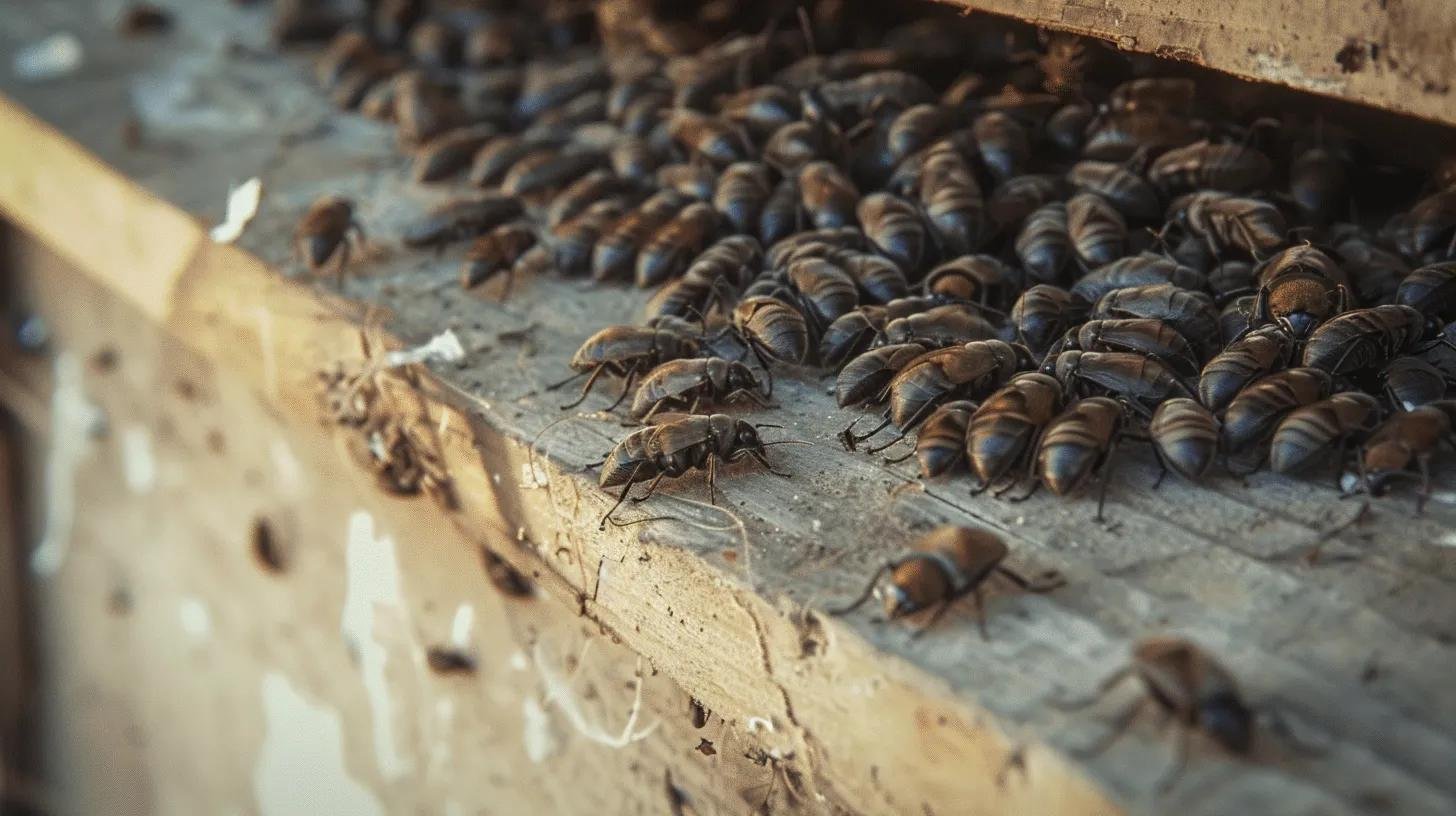
Termite treatment is a reactive step taken after an infestation is found. Its goal is to remove the colony, stop active damage, and secure the structure while repairs are planned. Treatments work by killing or neutralizing termites, breaking their foraging routes, and repairing or isolating damaged wood. In Fort Myers, treatment is usually needed when you see clear signs that termites are active and threatening the building — mud tubes, wood that sounds hollow when tapped, or fresh frass from drywood termites. Acting quickly limits spread and lowers repair costs. A professional inspection confirms the termite type and entry points, which guides whether a localized fix will do or if a whole-structure approach is required.
Diagnosis is the key step: it tells technicians whether subterranean, drywood, or another termite type is present, and that choice determines if a liquid termiticide, bait system, targeted injection, or fumigation is the right move. Follow-up monitoring and repair planning are part of a complete treatment plan and help prevent recurrence.
- Visible mud tubes or channels on foundations or piers.
- Wood that sounds hollow or shows visible damage when probed.
- Accumulations of frass (drywood droppings) or indoor swarming activity.
Any of these signs should trigger an immediate professional inspection and, most likely, prompt treatment to stop further damage.
What Defines Termite Treatment and Its Reactive Approach?
Treatment is reactive: it addresses an existing infestation to remove the colony and stop active damage rather than preventing future entry. The main goals are colony elimination, containment, and minimizing structural loss. Timelines vary — a spot treatment can take a few hours or days, baiting systems take weeks to affect a colony, and fumigation requires scheduling and prep time. The usual process is detection → inspection to identify species and spread → selection and application of a treatment → follow-up monitoring and repairs. Quick response matters in Fort Myers because termites can expand fast in year-round warm conditions.
Which Termite Treatment Options Are Available in Fort Myers?
Technicians in Fort Myers typically choose among several proven options based on species and infestation size: liquid termiticide barriers, bait systems, whole-structure fumigation for drywood termites, and localized spot treatments for small, reachable problems. Liquid barriers treat soil around a structure to block subterranean termites; bait systems lure foragers to poisoned bait they share with the colony; fumigation penetrates wood throughout a building and is effective for drywood infestations; spot treatments apply pesticide directly to infested wood or voids. Each method has trade-offs in speed, disruption, longevity, and suitability for the termite type found — the inspection tells you which fits best.
Research supports both traditional soil barriers and newer baiting strategies as effective tools for managing subterranean termites, each with different benefits.
Subterranean Termite Control: Barriers, Baits & Cost-Effectiveness
Soil insecticide barriers have been a primary tool for controlling subterranean termites for decades, but limits in current termiticides have driven interest in alternatives. Monitoring-and-baiting programs offer an ongoing way to protect structures while reducing pesticide volume and, when successful, removing termite populations near buildings — lowering damage risk and liability.
A review of subterranean termite control practices and prospects for integrated pest management programmes, NANYAO Su, 1998
| Treatment Option | How it Works | Pros / Cons |
|---|---|---|
| Liquid termiticide barrier | Applied to soil around the structure to form a treated zone | Pros: Fast protection against subterranean termites; Cons: May need trenching/drilling and periodic retreatment |
| Termite bait system | Baits placed around the property are eaten and shared within the colony | Pros: Targets the colony with less chemical use; Cons: Works slower and requires ongoing monitoring |
| Fumigation (drywood) | Whole-structure gas treatment penetrates wood to kill drywood termites | Pros: Effective for widespread drywood infestations; Cons: Requires vacating the building and logistical planning |
| Localized spot treatment | Direct application to infested wood or voids | Pros: Minimal disruption for small problems; Cons: Not suitable for widespread or hidden colonies |
This table helps you see when each treatment fits and why a thorough inspection should guide the choice.
How Does Termite Prevention Protect Your Fort Myers Property Proactively?
Prevention reduces the chance termites establish or return by removing what attracts them, blocking entry, and using long-term monitoring. Prevention targets the conditions termites rely on — moisture, wood-to-soil contact, and hidden food sources — and can include systems like bait monitoring or preventive soil treatments. In Fort Myers, where humidity and landscaping can encourage termite activity, prevention preserves the structure over time and is often the most cost-effective route for properties without active infestations.
Here are practical prevention steps homeowners and property managers can take to lower termite risk and keep protection current.
- Keep grading and drainage working so water moves away from the foundation.
- Remove wood-to-soil contact and keep structural timbers dry and elevated.
- Limit mulch and heavy plantings right against the foundation; maintain crawlspace ventilation.
- Schedule annual termite inspections and monitoring to catch activity early.
These measures work together: controlling moisture removes inviting conditions, while inspections and physical changes create ongoing barriers to termites.
| Preventive Measure | Targeted Risk | Expected Benefit |
|---|---|---|
| Moisture control (gutters, grading) | Damp conditions attract subterranean termites | Reduces conducive habitat and slows termite establishment |
| Wood-to-soil separation | Direct access for foraging termites | Prevents easy entry and reduces hidden colonization |
| Landscaping adjustments (mulch, plantings) | Concealed pathways and moisture retention | Limits sheltering sites and reduces termite food near structures |
| Annual inspection & monitoring | Late detection of activity | Enables early intervention before major damage |
Putting these preventive steps in place lowers your long-term infestation risk and reduces the chance you’ll need emergency treatments.
Local providers emphasize an inspection-first approach and family-safe options when planning prevention. Crews Complete Pest Solutions offers prevention and treatment services with inspection-led recommendations, family-friendly/eco options, guarantees, free estimates, and introductory specials — all designed to connect prevention advice to a practical local plan. Scheduling an inspection lets a technician map risk areas and recommend the right prevention package for your property.
What Are the Cost Considerations for Termite Treatment and Prevention?
Costs depend on infestation severity, property size and access, termite species, and chosen strategy. Treatment costs jump when damage is advanced or a whole-structure remedy (like fumigation) is needed; prevention tends to be a steady, recurring expense that lowers the chance of emergency spending. Other cost drivers include repair needs, landscaping complexity, technician access, and whether monitoring systems are installed and maintained. Comparing immediate eradication costs against the long-term savings from avoided repairs helps decide which approach makes sense for your budget.
A direct comparison can help homeowners decide whether to invest in prevention now or reserve money for likely future treatments.
- Treatment costs rise when damage is extensive or whole-structure measures are required.
- Prevention is an upfront and ongoing investment that can lower the chance of large, unexpected repair bills.
- Warranties or guarantees from providers affect long-term value by reducing future out-of-pocket costs.
Below is a concise comparison to clarify typical use-cases and value considerations.
| Approach | Cost Consideration | Ideal Use-Case |
|---|---|---|
| Liquid barrier | Moderate to higher initial cost; long-term protection with periodic retreatment | Homes at risk from subterranean termites or with soil-contact framing |
| Bait system | Lower initial disruption; ongoing monitoring costs | Properties preferring low-chemical, colony-focused control |
| Fumigation | Higher single-event cost; effective for drywood in attics/walls | Severe drywood infestations where wood is heavily infested |
| Localized spot repair | Lower cost for small, accessible infestations | Early or isolated infestations with minimal structural damage |
This comparison shows prevention often reduces long-term financial risk, while treatments address immediate threats; a tailored inspection will clarify the best value for your situation.
How Does the Cost of Termite Treatment Compare to Prevention?
Cost comparison is about managing risk: treatment fixes current infestations and can carry high upfront costs, while prevention spreads investment over time and lowers the chance of costly emergency treatments and repairs. Prevention can be more cost-effective for properties without active infestations where vulnerabilities can be fixed through moisture control and physical barriers. The return on prevention shows up when avoided repair bills and fewer treatments balance out annual monitoring or barrier upkeep. Guarantees from local providers can also shift financial risk away from the homeowner.
Economic studies back proactive pest management when long-term protection and resource allocation are considered.
Proactive vs. Reactive Pest Management: Cost-Benefit Analysis
ABSTRACT: This study looks at when proactive management of an uninfected area is optimal, given an invasive species whose spread isn’t affected by management actions. It finds proactive strategies are often best when more resources are available for treatment, when treatment costs rise sharply with declining forest health, and when the discount rate is low — in short, when investing early preserves long-term value.
Proactive or Reactive?
Optimal management of an invasive forest pest in a spatial framework, CA Bond, 2010
What Factors Influence Termite Control Pricing in Fort Myers?
Local pricing reflects region-specific factors: the dominant termite species (subterranean vs. drywood), year-round activity driven by climate, landscaping and access around foundations, and whether whole-structure fumigation is needed. Properties with dense planting, limited exterior access, or chronic moisture problems usually require more labor and can increase costs. Commercial properties may also have extra compliance and monitoring needs that affect price. A detailed inspection helps produce an accurate estimate and realistic timeline for work.
How to Choose Between Termite Treatment and Prevention for Your Property?
Choose based on a simple decision framework: current infestation status, property value, budget, and long-term risk tolerance. If an active infestation exists, treat immediately to stop damage; follow up with prevention to lower recurrence risk. If there are no signs, prevention through moisture control, physical separation, and scheduled inspections is usually the best long-term protection. Combining targeted treatment for hotspots with a prevention plan for the whole structure often balances cost, disruption, and assurance. A professional inspection gives the species ID and damage assessment that should guide whether to treat, prevent, or both.
Use this checklist to move from assessment to action.
- Confirm active infestation with a professional inspection.
- Assess structural vulnerabilities and potential repair needs.
- Weigh budget and your willingness to invest in ongoing prevention versus a one-time treatment.
- Choose combined strategies when risk factors (moisture, wood contact, property age) are higher.
Following these steps helps prioritize the most cost-effective and protective approach for your property.
What Are the Key Differences Between Termite Control and Prevention?
Control focuses on removing active colonies and stopping current damage using chemicals, baits, or structural fixes. Prevention focuses on making the property an unattractive place for termites through monitoring, environmental changes, and physical barriers. Control delivers quicker containment and usually requires follow-up repairs; prevention is ongoing and reduces future risk. Timelines, costs, and commitment differ: control can mean a higher immediate bill during emergencies, while prevention requires recurring attention but lowers the chance of a crisis.
Which Factors Should Influence Your Decision on Termite Management?
Prioritize factors this way: presence of active infestation, history of termite issues, structural weaknesses that speed damage, property use (residential vs commercial), and budget or insurance constraints. For commercial properties or high-value homes, pairing strong control measures with scheduled prevention usually protects investment and reduces liability. For low-risk or new constructions, prevention and annual inspections may be sufficient. Ultimately, an inspection-first approach gives the species ID and damage scope needed to choose an efficient plan.
Why Trust Crews Complete Pest Solutions for Termite Control in Fort Myers?
Crews Complete Pest Solutions is a Fort Myers-based company serving Southwest Florida with termite prevention and treatment tailored to local conditions. We start with a full inspection to find root causes and recommend a plan that fits your property. Where appropriate, we offer family-safe and eco-friendly options. Local listings also note guaranteed results, free estimates to encourage inspection scheduling, and introductory offers to make action easier. If you want inspection-led recommendations that balance safety and effectiveness, these features help you take the next step.
What Local Expertise and Family-Safe Methods Does Crews Complete Offer?
Our local experience covers Fort Myers and surrounding areas where humidity and landscaping affect termite pressure. Our inspection-first workflow looks for activity and the contributing conditions — moisture, wood-to-soil contact, and hidden entry points. We offer family-safe and eco-friendlier treatment choices as part of our service mix, including options that let customers balance effectiveness with reduced household and environmental exposure. That local knowledge helps us design prevention packages and treatment plans that fit common regional termite species and property types.
How Do Crews Complete’s Guarantees and Free Estimates Benefit You?
Free estimates remove barriers to scheduling an inspection, which is the necessary first step when choosing between treatment and prevention. Guarantees add value by creating accountability for results and can reduce your financial risk when selecting a provider. Introductory offers make initial services more affordable and encourage timely inspections and preventive action. Scheduling an inspection with a local, inspection-first company translates the decision framework in this guide into a tailored plan for your Fort Myers property.
- Free Estimate: Makes scheduling a no-cost first step toward a solution.
- Guaranteed Results: Puts a provider’s assurances behind the work and reduces homeowner risk.
- Family-Safe Options: Lets you manage termites while minimizing household exposure.
These benefits help move you from understanding termite risk to taking practical action that protects your property.
Frequently Asked Questions
What are the signs of a termite infestation?
Look for mud tubes on foundations or walls, wood that sounds hollow when tapped, or frass — small pellets left by drywood termites. Indoor swarming, especially in warm months, is another red flag. If you see any of these signs, schedule a professional inspection right away so the problem can be identified and treated before it gets worse.
How often should I schedule termite inspections?
We recommend at least one annual inspection, and more often if you’ve had problems before or live in a high-risk area. Fort Myers’ climate supports year-round termite activity, so regular checks help catch issues early and reduce repair costs.
Can I perform termite prevention measures myself?
Yes. Homeowners can improve drainage, remove wood-to-soil contact, and keep crawlspaces ventilated to lower risk. For a full prevention plan — including monitoring systems and tailored recommendations — a licensed pest professional can offer inspection-led solutions that match your property.
What should I do if I suspect a termite problem?
Start with a careful inspection for mud tubes, damaged wood, or frass. If you find evidence, contact a professional pest control company immediately. They’ll identify the termite type, assess damage, and recommend the most effective treatment.
Are there eco-friendly termite treatment options available?
Yes. Bait systems, targeted treatments, and some lower-toxicity options reduce chemical use while focusing on colony control. Many local companies, including Crews Complete, offer family-safe and eco-friendlier choices tailored to your situation.
How long does termite treatment typically take?
It depends on the method. Localized spot treatments can take a few hours; bait systems may require weeks to affect a colony; fumigation can take several days including prep and airing out. Follow-up inspections are important to confirm success and watch for reinfestation.
What factors affect the cost of termite treatment and prevention?
Costs depend on infestation severity, property size and accessibility, termite species, and the chosen method. Ongoing prevention (inspections, monitoring) adds to long-term costs but can reduce the chance of expensive emergency treatments and repairs. A professional inspection will give the most accurate estimate for your property.
Conclusion
Knowing the difference between treatment and prevention helps you protect your Fort Myers property. Treat active infestations quickly, and use prevention measures — moisture control, wood separation, and regular inspections — to lower future risk. For a plan that fits your home or building, schedule a professional inspection with a local expert and get a clear, inspection-first recommendation. Take the first step toward protecting your property today.