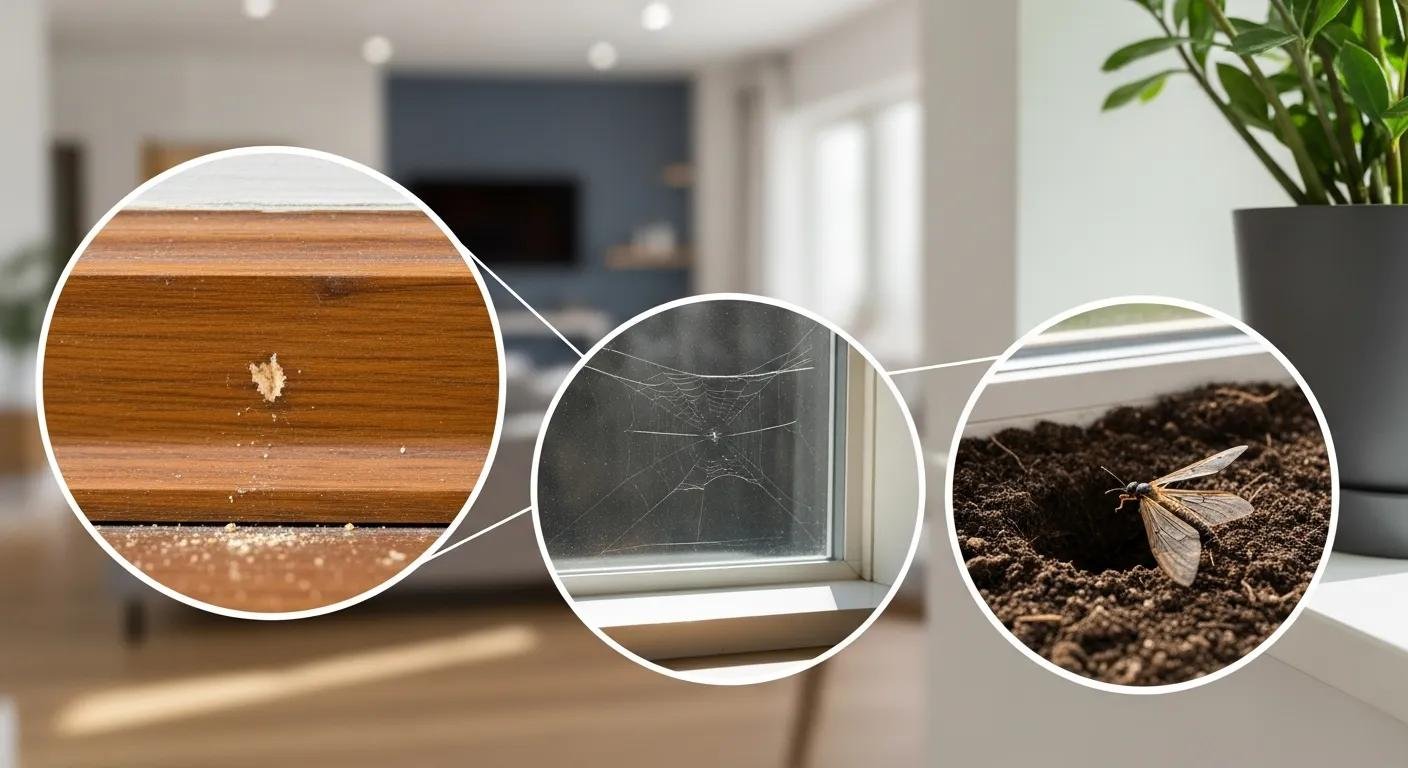
Commercial pest problems put revenue, safety, and compliance at risk across restaurants, hotels, warehouses and offices. Pests damage property, contaminate stock and trigger regulatory action — and small issues left unchecked become expensive, reputation‑damaging emergencies. Spotting warning signs early lets you address root causes before populations explode. This guide explains seven clear, observable signals that mean it’s time to bring in professional commercial pest control services. You’ll learn how to identify species and activity, what the evidence means for urgency, and practical next steps for facility managers and business owners. For Southwest Florida businesses, an inspection‑first approach with written findings ties symptoms to targeted treatments and helps protect customers and compliance. Below we cover visible evidence, structural and inventory damage, odor and noise cues, complaint thresholds, health and code risks, and when increased activity calls for proactive intervention.
What Are the Most Visible Signs of Commercial Pest Infestation?
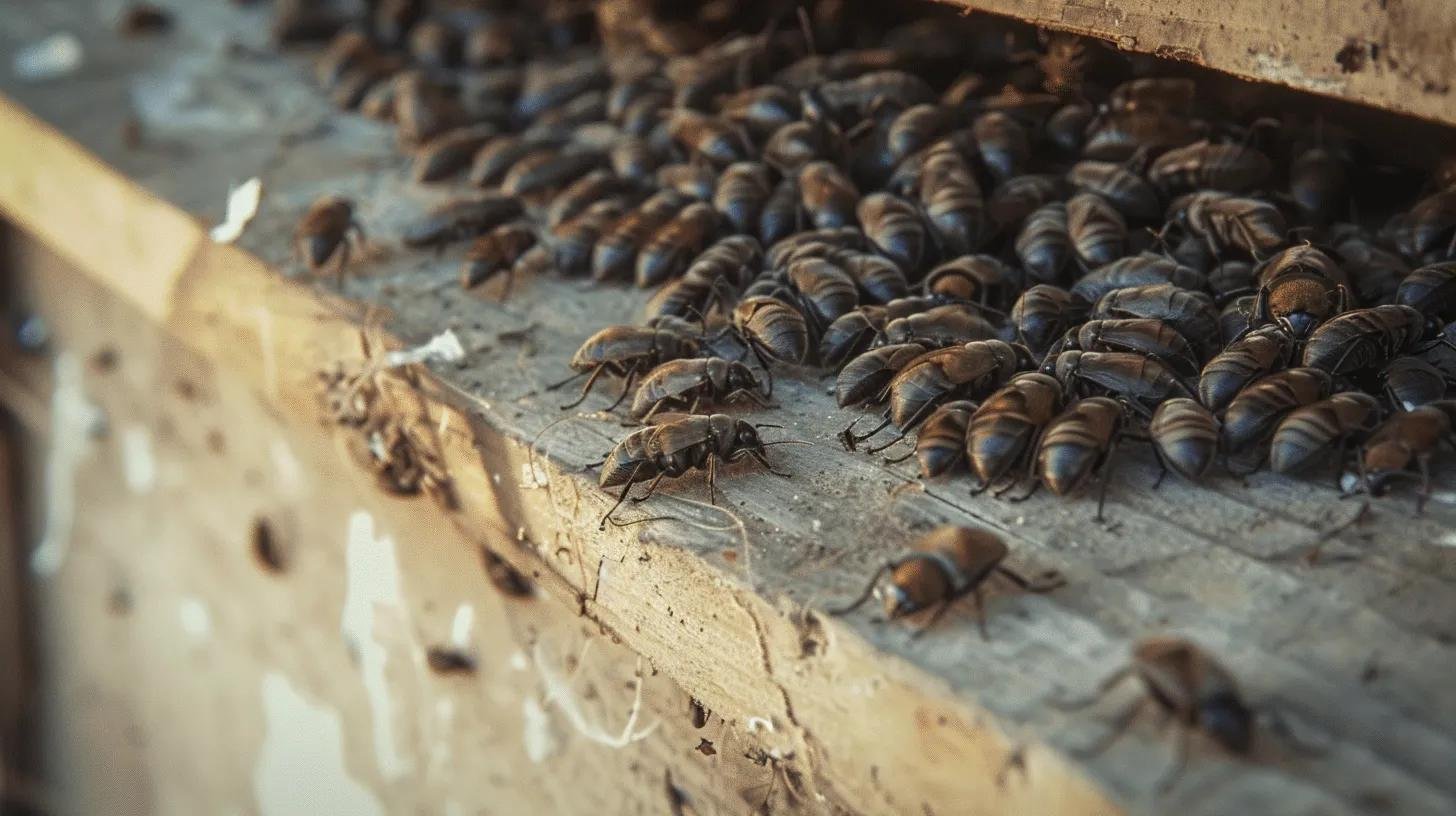
Visible signs are the easiest clues that pests are active and need attention. Sightings of live pests, shed skins, grease marks and travel trails show current activity — and they help identify species, activity level and likely entry points. Focus inspections on food storage, loading docks, utility corridors and break rooms: those spots provide food, water and shelter. Use the short checklist below during regular walkthroughs to catch problems early.
Common visible indicators to monitor during facility inspections:
- Live pest sightings: Spotting rodents, cockroaches or flies during business hours usually means an active issue that needs verification.
- Droppings, shed skins, or carcasses: Fresh biological material signals recent activity and possible nesting nearby.
- Grease marks and rub trails: Repeated rod paths along walls or equipment point to habitual travel routes and hidden entry points.
- Damage to packaging or food dust: Chewed boxes, torn bags or visible contamination mean pests are getting into stock areas.
When you find these signs: document what you see, isolate contaminated inventory, and schedule a targeted inspection and monitoring plan to confirm species and severity. That diagnosis then guides the right controls.
How to Identify Live Pests and Pest Activity in Your Business
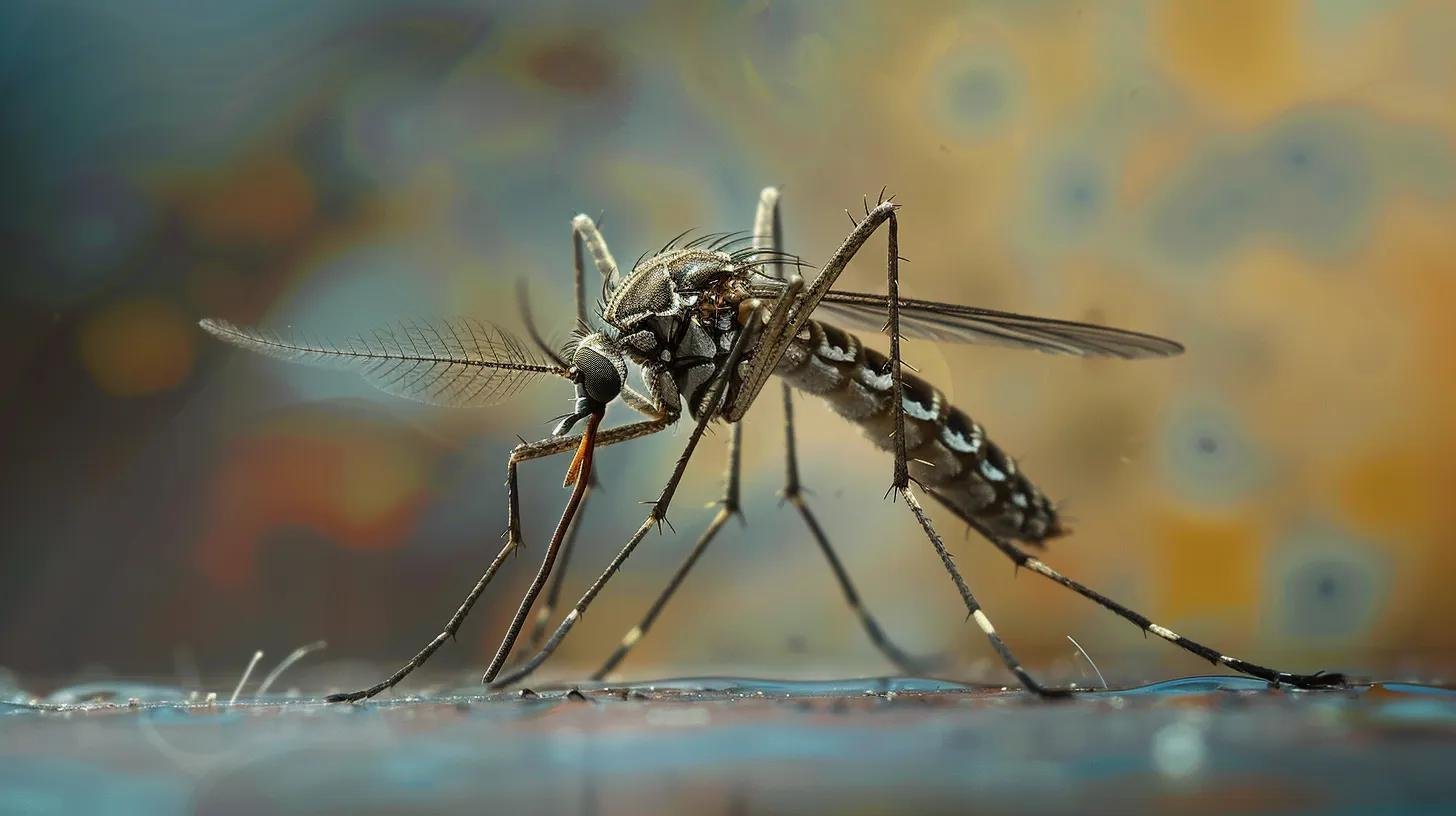
Identifying pests starts with species recognition and behavior — those details determine treatment and timing. Rodents are larger, leave pellet‑shaped droppings and are often nocturnal. Cockroaches are flattened, nocturnal insects that leave smear marks and shed skins in warm, humid spots. Flies and many ants are active during the day and cluster around food prep and waste. Termites leave frass and cause hidden wood damage. Note whether sightings occur day or night and where pests congregate — that helps you tell incidental visitors from established infestations and directs where to place monitoring devices and exclusion work. The next section shows how droppings and nests map to urgency.
What Do Pest Droppings and Nests Reveal About Infestation Levels?
Droppings and nesting materials give reliable clues about species, population size and urgency. Size, shape and location map closely to likely culprits and reproductive activity. Fresh, clustered droppings near food or in dark corners often indicate a breeding population; scattered, aged droppings may mean limited activity. Nests or nesting material are a strong sign of on‑site reproduction and require faster action. Use the quick ID table below to interpret evidence and prioritize control measures.
Common droppings, nests, and urgency levels:
| Pest Evidence | Characteristics & Typical Locations | Likely Pest & Urgency |
|---|---|---|
| Small pellet droppings, 1/8–1/4″ long, in cabinets and along baseboards | Dark, tapered pellets accumulating in clusters | Rodents — high urgency: active foraging and possible nesting |
| Tiny granular droppings, irregular, in corners and behind appliances | Scattered, mixed with shed skins and dark smear marks | Cockroaches — high urgency in food areas; contamination risk |
| Fine sawdust or “mud tubes” around wooden structures and foundations | Powdery frass or tube networks near base of structures | Termites — high urgency: structural risk and hidden damage |
| Small mounds or paper‑like nests in voids or ductwork | Visible nesting material with localized debris | Ants/wasps — variable urgency depending on species and location |
Use these cues to choose monitoring tools — bait stations, glue boards or termite monitors — and to decide when to move from monitoring to exclusion and treatment. Next, look for property damage as objective proof of business risk.
How Does Property Damage Indicate the Need for Commercial Pest Control?
Property damage proves pests are causing tangible loss and raises the need for professional commercial pest control. Typical damage includes wood‑boring patterns from termites, gnaw marks on insulation and wiring from rodents, and ruined packaging or inventory from foraging pests. Each damage type has different financial and safety consequences. Prioritize inspections where structural elements and critical infrastructure intersect with pest activity — electrical risks and contaminated stock are immediate liabilities. Below are common damage indicators and the immediate actions facilities should take.
- Chewed wires or insulation: Isolate power where safe, document the damage, and consult electrical safety personnel before re‑energizing.
- Holes in packaging and spoiled inventory: Quarantine affected stock, discard contaminated items and document losses for remediation and insurance.
- Compromised wooden structures or sagging floors: Restrict access to affected areas and schedule a structural assessment.
After securing immediate hazards, document damage for compliance and remediation planning, then perform targeted inspections to locate entry points and nests. The damage patterns from rodents and termites point to different repair and control paths, outlined next.
What Types of Damage Do Rodents and Termites Cause in Commercial Properties?
Rodents and termites leave distinct signatures. Rodents chew and gnaw — torn insulation, chewed packaging, gnawed conduit and wiring, and contaminated stock are common, creating fire and contamination risks. Termites consume cellulose and weaken wood — hollowed joists, blistered wood and mud tubes appear as structural failure progresses. The table below maps damage types to likely pests and business consequences so teams can triage repairs and control work.
Damage mapping for common structural threats:
| Damage Type | Visible Signs | Likely Pest / Business Consequence |
|---|---|---|
| Chewed wiring and conduit | Frayed insulation, exposed copper, localized heat or sparking risk | Rodents — electrical fire hazard; high repair priority |
| Damaged wooden beams or flooring | Hollow‑sounding wood, blistering, sagging | Termites — structural integrity loss; urgent structural assessment |
| Torn insulation and nesting materials in HVAC | Insulation displaced, reduced system efficiency | Rodents — HVAC contamination and energy loss |
| Ruined packaging and palletized inventory | Bite marks, shredding, scattered debris | Rodents/cockroaches — inventory loss and contamination fines |
Knowing the likely culprit helps you choose exclusion, baiting, localized treatment or full‑structure remediation. Next, learn to recognize gnaw marks, chewed wires and contaminated inventory during routine checks.
How to Recognize Gnaw Marks, Chewed Wires, and Contaminated Inventory
Rodent gnawing looks different from mechanical wear. Gnaw marks are irregular, tapered and often parallel, while mechanical damage is more uniform. Gnawing can expose copper wiring or create small entry holes in plastic packaging. Contaminated inventory is usually near floor level or loading docks and may show fecal staining or urine odors. If staff find these signs, document the location, isolate affected materials and arrange a professional inspection to assess electrical safety and contamination before operations resume.
Taking these steps protects employees and product integrity and creates documentation you’ll need for remediation, insurance claims and health‑department inquiries.
The next group of indicators — unusual odors and noises — often reveal hidden activity behind walls or above ceilings.
What Unusual Odors and Noises Signal a Pest Problem in Your Business?
Odors and noises are non‑visual clues that point to hidden nesting, decaying carcasses or frequent movement. Musty, oily or urine‑like smells often come from rodent scent marking or concentrated cockroach populations; the scent of decay suggests a dead animal in a void. Noises such as scratching, scurrying or faint chirps usually happen at night or during quiet hours and indicate activity inside walls, ceilings or attics. When you notice these signs, conduct methodical, discrete inspections after hours to preserve evidence for technicians.
Which Odors Are Commonly Associated with Rodents and Cockroaches?
Biological byproducts create recognizable scent profiles. Rodent activity often produces a sharp, ammonia‑like odor from concentrated urine and scent marking, especially near nests and travel corridors. Cockroach infestations give off a musty, oily smell from secretions and shed skins, commonly noticeable in cupboards, behind refrigerators and in damp storage areas. If a dead pest is suspected, remove and sanitize quickly to prevent secondary insect activity and lingering contamination — and document the location for the technician.
How to Detect Strange Noises Like Scratching or Scurrying in Commercial Buildings
Many pests are nocturnal, so listen during quiet periods to pinpoint sounds. Do brief, systematic checks after hours in attics, false ceilings, storage rooms and behind refrigeration units to catch faint scratching or scurrying. Record the time, location and character of sounds and, when safe, set up unobtrusive monitoring (motion‑activated cameras or acoustic recorders) to capture patterns before technicians arrive. Documented noise evidence helps technicians find nests faster.
When Should Employee and Customer Complaints Alert You to Pest Issues?
Employee and customer reports are frontline intelligence — people often spot problems before devices do. Repeated or corroborated complaints should trigger action. Not every complaint is an infestation, but patterns matter: multiple sightings across departments, complaints that pair odors with sightings, or reports in critical areas (food prep, patient care) raise the urgency for inspection.
Set up a simple reporting workflow that captures date, time, location and description so you can cross‑check complaints against physical evidence and surveillance. The escalation criteria below help staff and managers decide when to call a commercial pest control provider.
Complaint escalation criteria:
- Three separate complaints in seven days from different areas: Schedule a formal inspection and deploy monitoring.
- Any complaint of live pests in food‑prep or patient‑care areas: Contain the area immediately and request professional intervention.
- Multiple corroborated reports plus physical evidence (droppings/damage/odors): Treat as an active infestation and begin remediation planning.
Consistent thresholds protect your reputation and reduce the chance of health‑code problems. That leads to how sightings impact customer trust.
How Do Pest Sightings Affect Business Reputation and Customer Trust?
Visible pest evidence spreads fast — photos or posts on social media can damage reviews, bookings and revenue. A single sighting in a dining area or guest room often requires prompt remediation, transparent communication and documented corrective steps to restore confidence. Professional treatment and written inspection reports are evidence you can share with staff, customers and regulators to show accountability. Third‑party reports frequently help restore trust and satisfy follow‑up inspections.
What Types of Complaints Indicate a Growing Pest Problem?
Certain complaint patterns show escalation: increasing frequency, clustering by area and corroboration by multiple staff members reflect spreading activity rather than isolated incidents. Repeated reports from different employees about adjacent zones suggest nearby nesting or movement; complaints that combine odor and sightings often indicate established nests. Cross‑check complaints with physical signs like droppings or gnaw marks — if both appear, call in a professional. Track simple metrics — unique complaint locations, days between reports and presence of physical evidence — to standardize escalation and speed remediation.
What Health Risks and Regulatory Violations Are Linked to Commercial Pest Infestations?
Pests carry health risks and can create regulatory violations by vectoring pathogens, contaminating food and leaving allergens that threaten staff and customers, especially in food service and healthcare. Rodents spread bacteria like Salmonella through feces and urine; flies transfer pathogens mechanically from waste to food; cockroach proteins are known indoor allergens that worsen respiratory issues. Regulators cite live pests, droppings in food‑prep areas and contaminated inventory — consequences can include fines, corrective orders or closures.
The table below links common pests to health risks and business impacts managers should consider when planning containment and documentation.
EAV table mapping pests to health risks and business consequences:
| Pest | Health Risk / Violation | Business Impact |
|---|---|---|
| Rodents | Food contamination, bacterial transmission, allergen exposure | Fines, product loss, possible closure for sanitation failures |
| Cockroaches | Food contamination, allergen proteins, mechanical pathogen spread | Health code violations in prep areas; reputational damage |
| Flies | Mechanical transfer of pathogens from waste to food | Increased inspection scrutiny and corrective orders |
| Termites | Not direct disease vectors but cause structural compromise | Building repairs, safety hazards, potential closure for unsafe structures |
Knowing these risks helps prioritize containment and documentation for health inspectors. The next section explains how pests spread disease and what documentation supports compliance.
How Can Pests Cause Disease Transmission and Allergic Reactions in Workplaces?
Pests spread disease mainly through contamination — rodent urine and droppings carry bacteria that contaminate surfaces, and flies transfer pathogens from waste to food on their bodies. Cockroach fragments and secretions are established indoor allergens. Vulnerable populations — patients or hotel guests, for example — face higher risk when pests contaminate critical areas. For audits and safety, document findings in an inspection report that records evidence, corrective actions and monitoring outcomes. An inspection‑first approach reduces ambiguity during audits and supports targeted exclusion and long‑term monitoring.
Professional services can supply the inspection reports and compliance documentation regulators expect, which is important when businesses must demonstrate corrective action after violations.
What Are the Health Code Violations That Require Immediate Pest Control?
Certain violations require immediate action — live pests in a food‑prep area, rodent droppings in storage or contamination on utensils are treated as imminent public health threats. If you encounter these, secure contaminated food, suspend affected operations if needed, document the incident and contact a professional pest control service for inspection and a remediation plan. Professional providers deliver treatment plus written inspection reports and documentation that regulators often require during follow‑ups. That documentation is critical for reopening and for proving corrective action.
How to Recognize Increased Pest Activity Beyond Normal Levels in Your Commercial Property?
Telling the difference between a one‑off sighting and a growing infestation requires measurable thresholds and routine monitoring. Occasional single sightings can be transient; repeated, clustered evidence indicates reproduction and nesting. Set decision criteria — frequency of sightings, presence of droppings or nests, and evidence across multiple zones — to know when to escalate to professional intervention. Proactive commercial pest control finds entry points, implements exclusion work and maintains monitoring devices, delivering ROI through fewer complaints, lower repair costs and better compliance. Use the checklist below to decide when to call a commercial exterminator and what to expect from an inspection‑first approach.
Decision checklist for escalating to professional services:
- One sighting in an isolated area: Monitor and document; place sticky traps or conduct visual checks.
- Two or more sightings in different zones within seven days: Schedule a formal inspection to identify entry points.
- Any sighting coupled with droppings, nests, or damage: Begin professional remediation and quarantine affected inventory.
Proactive services include exclusion work, monitoring devices and discreet off‑hours treatments to minimize disruption. In Southwest Florida, local providers understand climate‑driven pest pressures and can tailor programs accordingly. Businesses that want predictable budgets and clear value often choose a customized prevention plan — it reduces incidents, lowers complaint rates and protects revenue. If your facility meets the escalation thresholds above, scheduling a professional inspection is the next evidence‑based step.
For a professional evaluation and documented inspection, schedule a free commercial pest inspection with Crews Complete Pest Solutions. We identify entry points, deliver a written inspection report and outline customized prevention strategies designed for Southwest Florida businesses. Crews Complete offers inspection‑first commercial pest control, discreet off‑hours service, family‑safe and eco options, and compliance documentation for health‑department audits and post‑remediation records. Our local experience helps match monitoring devices, exclusion work and treatment plans to the pests — rodents, cockroaches, termites, ants and flies — that affect commercial properties in the region. An inspection produces an actionable report and prioritized recommendations so you can protect staff, customers and your bottom line.
- Documented inspection reports: Useful during health inspections and proof of remediation.
- Customized exclusion and monitoring: Addresses root causes to prevent recurrence.
- Discrete scheduling and safety options: Minimizes disruption while protecting occupants.
These proactive measures deliver sustained ROI by reducing complaint frequency, lowering repair costs and helping keep operations running smoothly.
Frequently Asked Questions
What should I do if I suspect a pest infestation in my business?
Document any visible signs — droppings, gnaw marks or unusual odors — then isolate affected areas and inventory to limit contamination. Conduct a focused inspection of high‑risk zones like kitchens and storage. If evidence points to pests, contact a professional pest control provider for a full inspection and a tailored treatment plan. Early action reduces damage and protects your reputation.
How often should I conduct pest inspections in my commercial property?
Inspection frequency depends on your business and risk level. High‑risk sites such as restaurants and food storage facilities should be checked monthly. Many other commercial properties are well served by quarterly inspections. Adjust schedules seasonally to match local pest pressures and maintain a consistent monitoring cadence.
What are the costs associated with commercial pest control services?
Costs vary by property size, infestation severity and pest type. Initial inspections can be free or low‑cost; treatments range from a few hundred to several thousand dollars depending on complexity. Get detailed quotes and compare long‑term prevention plans — proactive programs often reduce overall costs by preventing emergencies.
Can I handle pest control myself, or should I hire a professional?
Minor issues can sometimes be managed with DIY steps, but significant infestations and compliance risks are best handled by professionals. Technicians bring experience, specialized tools and treatments that over‑the‑counter options can’t match. A pro will inspect, identify entry points and implement long‑term prevention strategies to resolve problems safely and effectively.
What are the long-term benefits of regular pest control maintenance?
Regular maintenance lowers infestation risk, protects property and inventory, and helps you stay compliant with health regulations. It keeps employees and customers safe, preserves reputation, and saves money by avoiding large repairs and emergency treatments. Consistent programs deliver predictable results and peace of mind.
How can I educate my staff about pest prevention?
Train staff on common signs of pest activity, proper sanitation, and reporting procedures. Provide clear rules for food storage, waste handling and maintaining clean work areas. Run periodic refreshers, encourage prompt reporting and keep an open line to your pest provider. A culture of awareness and responsibility among employees strengthens prevention efforts.
Conclusion
Knowing the signs of pest infestation helps you protect people, property and reputation. By watching for visible evidence, damage, odors, noises and complaint patterns, facility managers can act early and avoid costly consequences. Professional, inspection-first pest control delivers tailored solutions and documentation that support compliance and long-term prevention. If you suspect a pest problem, schedule a professional inspection to get a written report and prioritized recommendations — and keep your business running clean and safe.